Un tuteur AI à qui vous parlez vraiment — gratuit à vie. Epivo pose les questions, stimule votre réflexion et vous guide vers la compréhension — pas vers les réponses toutes faites.
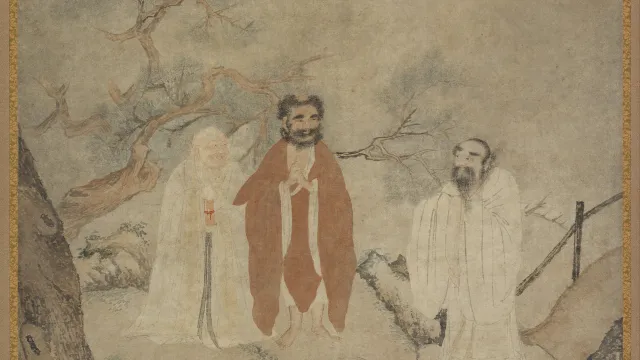
44 secondes d'une séance réelle sur Socrate. Le tuteur interroge, l'apprenant trouve par lui-même, le tuteur va plus loin.
HugoTuteur IAL'apprenantAdulte
0:00 / 0:44
Un échange pris au milieu d'une séance plus longue, traduit de l'anglais. La voix du tuteur est celle que les apprenants entendent réellement ; les mots de l'apprenant sont lus par une voix de remplacement.
Un apprentissage qui porte ses fruits
Tutorat par la voix
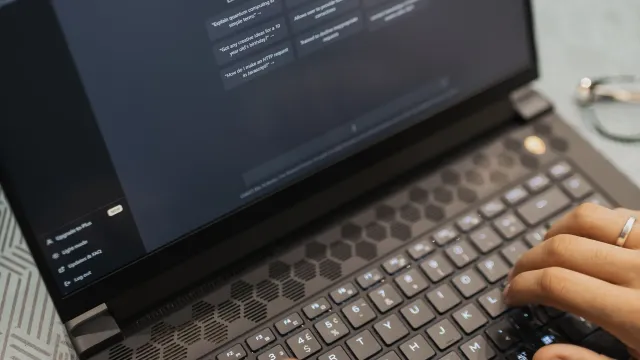
Parlez, tout simplement. Epivo vous écoute et vous répond en temps réel — mains libres, sur votre téléphone.
Vous apprend à réfléchir
Epivo ne fait pas cours — il pose des questions, remet en cause les idées reçues et vous aide à raisonner par vous-même.
Cours structurés
Des cours soigneusement sélectionnés, de la philosophie et l'histoire mondiale aux programmes scolaires nationaux — chacun avec une progression claire, des prérequis et un suivi de la maitrise.
Se souvient de votre progression
Epivo suit votre maîtrise d'une session à l'autre — ce que vous savez, ce qui nécessite du travail, et même vos centres d'intérêt personnels et votre style d'apprentissage.
Ce qui distingue Epivo
Un tuteur AI vocal qui allie la richesse d'une vraie conversation à un suivi précis de vos acquis — dans toutes les matières, à tout âge, où que vous soyez.
Choisis ton tuteur
Choisis la voix avec laquelle tu veux apprendre. Tu peux passer à un autre tuteur dans l'application quand tu veux.
Lire
RachelTuteur IA
Uncle DanTuteur IA
LucyTuteur IA
RichieTuteur IA
JoshTuteur IA
HopeTuteur IA
OtisTuteur IA
BobbyTuteur IA
CodyConteur IA
Avec une voix Premium, un conteur peut prendre le relais pour les sujets qui cachent une belle histoire. Voici nos voix Premium. Quand tes minutes de voix Premium sont épuisées, les cours continuent avec une voix gratuite sur ton appareil.
سهير الأبطحTuteur IA
صابرTuteur IA
عبداللهConteur IA
Avec une voix Premium, un conteur peut prendre le relais pour les sujets qui cachent une belle histoire. Voici nos voix Premium. Quand tes minutes de voix Premium sont épuisées, les cours continuent avec une voix gratuite sur ton appareil.
JulioTuteur IA
GabrielaTuteur IA
AlegriaTuteur IA
AlejandroTuteur IA
GasparConteur IA
Avec une voix Premium, un conteur peut prendre le relais pour les sujets qui cachent une belle histoire. Voici nos voix Premium. Quand tes minutes de voix Premium sont épuisées, les cours continuent avec une voix gratuite sur ton appareil.
LauraTuteur IA
FriedrichTuteur IA
KatrinConteur IA
Avec une voix Premium, un conteur peut prendre le relais pour les sujets qui cachent une belle histoire. Voici nos voix Premium. Quand tes minutes de voix Premium sont épuisées, les cours continuent avec une voix gratuite sur ton appareil.
HugoTuteur IA
IngridTuteur IA
Martin DupontConteur IA
Avec une voix Premium, un conteur peut prendre le relais pour les sujets qui cachent une belle histoire. Voici nos voix Premium. Quand tes minutes de voix Premium sont épuisées, les cours continuent avec une voix gratuite sur ton appareil.
ChristopherTuteur IA
AnnaTuteur IA
AndersTuteur IA
MathiasTuteur IA
TobiasTuteur IA
AnnieTuteur IA
ElinTuteur IA
OlaConteur IA
Avec une voix Premium, un conteur peut prendre le relais pour les sujets qui cachent une belle histoire. Voici nos voix Premium. Quand tes minutes de voix Premium sont épuisées, les cours continuent avec une voix gratuite sur ton appareil.
ΧρύσαTuteur IA
ΙορδάνηςTuteur IA
ΣτέφανοςConteur IA
Avec une voix Premium, un conteur peut prendre le relais pour les sujets qui cachent une belle histoire. Voici nos voix Premium. Quand tes minutes de voix Premium sont épuisées, les cours continuent avec une voix gratuite sur ton appareil.
GinevraTuteur IA
AidaTuteur IA
LorenzoTuteur IA
AlessandroTuteur IA
BrandoTuteur IA
FabrizioTuteur IA
MatteoTuteur IA
EmilioConteur IA
Avec une voix Premium, un conteur peut prendre le relais pour les sujets qui cachent une belle histoire. Voici nos voix Premium. Quand tes minutes de voix Premium sont épuisées, les cours continuent avec une voix gratuite sur ton appareil.
ThiagoTuteur IA
CarlaTuteur IA
FernandaTuteur IA
DavidConteur IA
Avec une voix Premium, un conteur peut prendre le relais pour les sujets qui cachent une belle histoire. Voici nos voix Premium. Quand tes minutes de voix Premium sont épuisées, les cours continuent avec une voix gratuite sur ton appareil.
AnttiTuteur IA
VäinöConteur IA
Avec une voix Premium, un conteur peut prendre le relais pour les sujets qui cachent une belle histoire. Voici nos voix Premium. Quand tes minutes de voix Premium sont épuisées, les cours continuent avec une voix gratuite sur ton appareil.
देवीTuteur IA
रेवाTuteur IA
यतिनTuteur IA
कृष्णTuteur IA
कश्यपConteur IA
Avec une voix Premium, un conteur peut prendre le relais pour les sujets qui cachent une belle histoire. Voici nos voix Premium. Quand tes minutes de voix Premium sont épuisées, les cours continuent avec une voix gratuite sur ton appareil.
RolandTuteur IA
RoosTuteur IA
RobertTuteur IA
JanConteur IA
Avec une voix Premium, un conteur peut prendre le relais pour les sujets qui cachent une belle histoire. Voici nos voix Premium. Quand tes minutes de voix Premium sont épuisées, les cours continuent avec une voix gratuite sur ton appareil.
ØyvindTuteur IA
SannaTuteur IA
HelgeTuteur IA
MajaConteur IA
Avec une voix Premium, un conteur peut prendre le relais pour les sujets qui cachent une belle histoire. Voici nos voix Premium. Quand tes minutes de voix Premium sont épuisées, les cours continuent avec une voix gratuite sur ton appareil.
DuarteTuteur IA
DanielaTuteur IA
AfonsoTuteur IA
JoanaConteur IA
Avec une voix Premium, un conteur peut prendre le relais pour les sujets qui cachent une belle histoire. Voici nos voix Premium. Quand tes minutes de voix Premium sont épuisées, les cours continuent avec une voix gratuite sur ton appareil.
ちぃちゃんTuteur IA
しょうへいTuteur IA
よしみTuteur IA
ごじょうTuteur IA
あきおTuteur IA
けんぞうTuteur IA
もりおきTuteur IA
あやTuteur IA
やしろこういちConteur IA
Avec une voix Premium, un conteur peut prendre le relais pour les sujets qui cachent une belle histoire. Voici nos voix Premium. Quand tes minutes de voix Premium sont épuisées, les cours continuent avec une voix gratuite sur ton appareil.
김해리Tuteur IA
한Tuteur IA
준Tuteur IA
수진Tuteur IA
태호Conteur IA
Avec une voix Premium, un conteur peut prendre le relais pour les sujets qui cachent une belle histoire. Voici nos voix Premium. Quand tes minutes de voix Premium sont épuisées, les cours continuent avec une voix gratuite sur ton appareil.
ArcherTuteur IA
TeddyTuteur IA
SamaraTuteur IA
Liam DaleConteur IA
Avec une voix Premium, un conteur peut prendre le relais pour les sujets qui cachent une belle histoire. Voici nos voix Premium. Quand tes minutes de voix Premium sont épuisées, les cours continuent avec une voix gratuite sur ton appareil.
EmmaTuteur IA
JasonTuteur IA
AlexConteur IA
Avec une voix Premium, un conteur peut prendre le relais pour les sujets qui cachent une belle histoire. Voici nos voix Premium. Quand tes minutes de voix Premium sont épuisées, les cours continuent avec une voix gratuite sur ton appareil.
ShannonTuteur IA
PatrickTuteur IA
BeckieConteur IA
Avec une voix Premium, un conteur peut prendre le relais pour les sujets qui cachent une belle histoire. Voici nos voix Premium. Quand tes minutes de voix Premium sont épuisées, les cours continuent avec une voix gratuite sur ton appareil.
ArfaTuteur IA
KumaranTuteur IA
RanbirConteur IA
Avec une voix Premium, un conteur peut prendre le relais pour les sujets qui cachent une belle histoire. Voici nos voix Premium. Quand tes minutes de voix Premium sont épuisées, les cours continuent avec une voix gratuite sur ton appareil.
AmandaTuteur IA
SekouTuteur IA
KirstenConteur IA
Avec une voix Premium, un conteur peut prendre le relais pour les sujets qui cachent une belle histoire. Voici nos voix Premium. Quand tes minutes de voix Premium sont épuisées, les cours continuent avec une voix gratuite sur ton appareil.
Miss Sally MayTuteur IA
TelisaTuteur IA
RhettTuteur IA
Mr. PeteTuteur IA
JamesTuteur IA
Brother WayneConteur IA
Avec une voix Premium, un conteur peut prendre le relais pour les sujets qui cachent une belle histoire. Voici nos voix Premium. Quand tes minutes de voix Premium sont épuisées, les cours continuent avec une voix gratuite sur ton appareil.
هبةTuteur IA
مصريTuteur IA
غزلانTuteur IA
هيثمConteur IA
Avec une voix Premium, un conteur peut prendre le relais pour les sujets qui cachent une belle histoire. Voici nos voix Premium. Quand tes minutes de voix Premium sont épuisées, les cours continuent avec une voix gratuite sur ton appareil.
لطيفةTuteur IA
مصطفى عبداللهTuteur IA
يوسفConteur IA
Avec une voix Premium, un conteur peut prendre le relais pour les sujets qui cachent une belle histoire. Voici nos voix Premium. Quand tes minutes de voix Premium sont épuisées, les cours continuent avec une voix gratuite sur ton appareil.
لولوشTuteur IA
فارسTuteur IA
هاديTuteur IA
إبراهيمConteur IA
Avec une voix Premium, un conteur peut prendre le relais pour les sujets qui cachent une belle histoire. Voici nos voix Premium. Quand tes minutes de voix Premium sont épuisées, les cours continuent avec une voix gratuite sur ton appareil.
لبنىTuteur IA
Voici nos voix Premium. Quand tes minutes de voix Premium sont épuisées, les cours continuent avec une voix gratuite sur ton appareil.
SuperiorTuteur IA
ValeriaTuteur IA
AntonioTuteur IA
MacTuteur IA
AnitaTuteur IA
Ale AlejandroTuteur IA
El FaraonConteur IA
Avec une voix Premium, un conteur peut prendre le relais pour les sujets qui cachent une belle histoire. Voici nos voix Premium. Quand tes minutes de voix Premium sont épuisées, les cours continuent avec une voix gratuite sur ton appareil.
Les cookies d'analyse nous montrent l'usage du site. Les cookies publicitaires indiquent à une plateforme publicitaire si une inscription a suivi l'une de ses annonces. Détails